
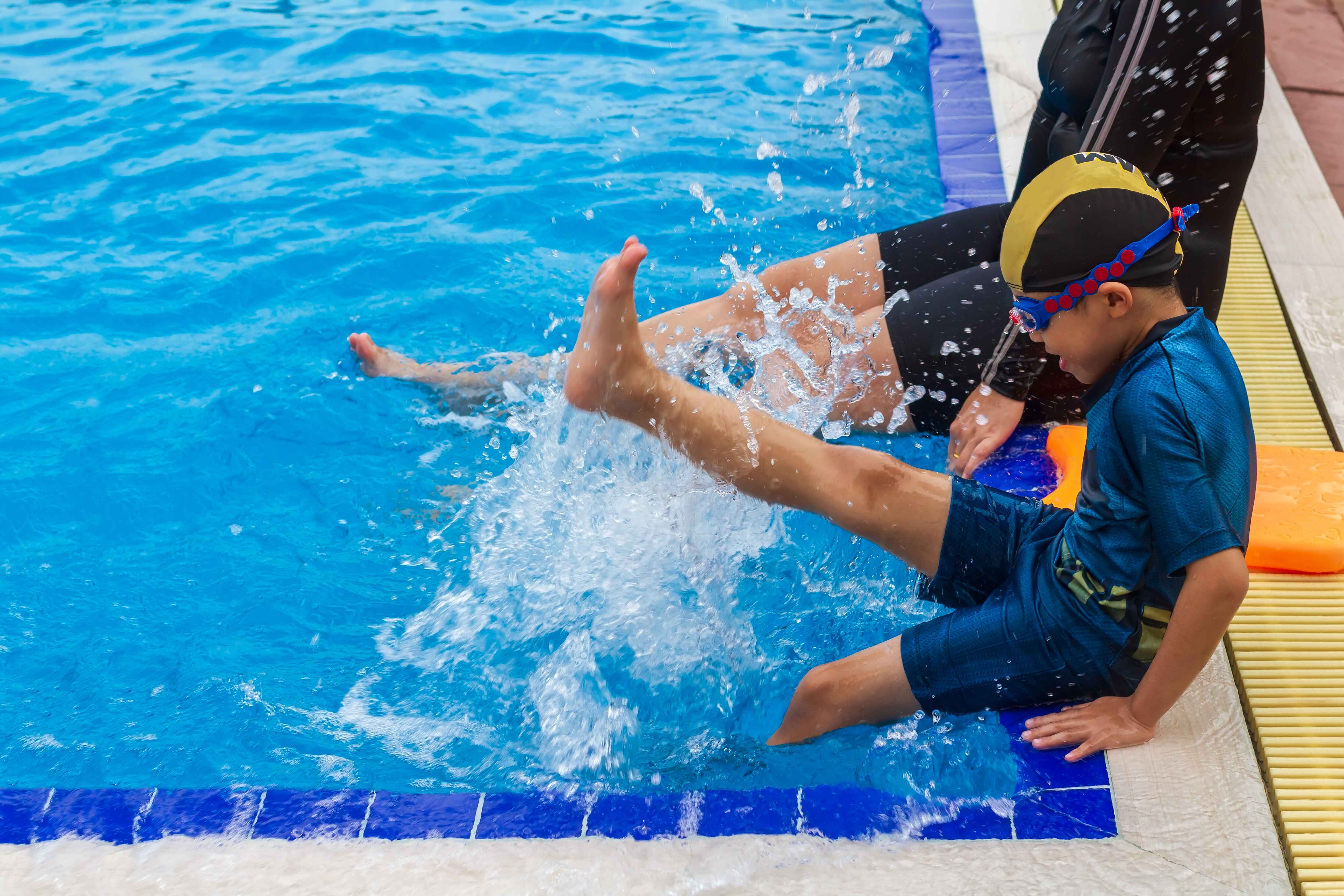
Although it may seem simple, learning how to get in and out of the pool correctly is a foundational skill. Young children should practice sitting and easing themselves into the water to avoid injury, and they must learn how to climb out independently and safely.
For many young swimmers, putting their face underwater feels intimidating. Teaching children how to hold their breath, blow bubbles, and remain calm underwater helps build confidence and prepares them for essential swimming techniques.
Floating is one of the most important survival skills. It allows children to rest if they become tired before reaching the pool edge. Learning to float helps them stay safe while gaining trust in their own abilities.
Early swimmers often rely on the doggy paddle, which keeps their head above water but uses a lot of energy. Teaching children to swim in a prone position—with their face in the water—helps their legs rise and reduces drag. This leads to more efficient movement and greater independence.
As children grow stronger, treading water becomes a vital skill. It allows swimmers to stay afloat without moving toward an edge and builds both safety and confidence in deeper water.
Beyond technique, children must become comfortable in aquatic environments. Developing trust in the water lowers fear, improves learning, and helps them stay calmer in unexpected situations.
Consistent practice helps children progress from basic safety skills to more advanced swimming abilities. Mastering these fundamentals prepares them for swimming laps, learning strokes, and becoming fully water-competent.
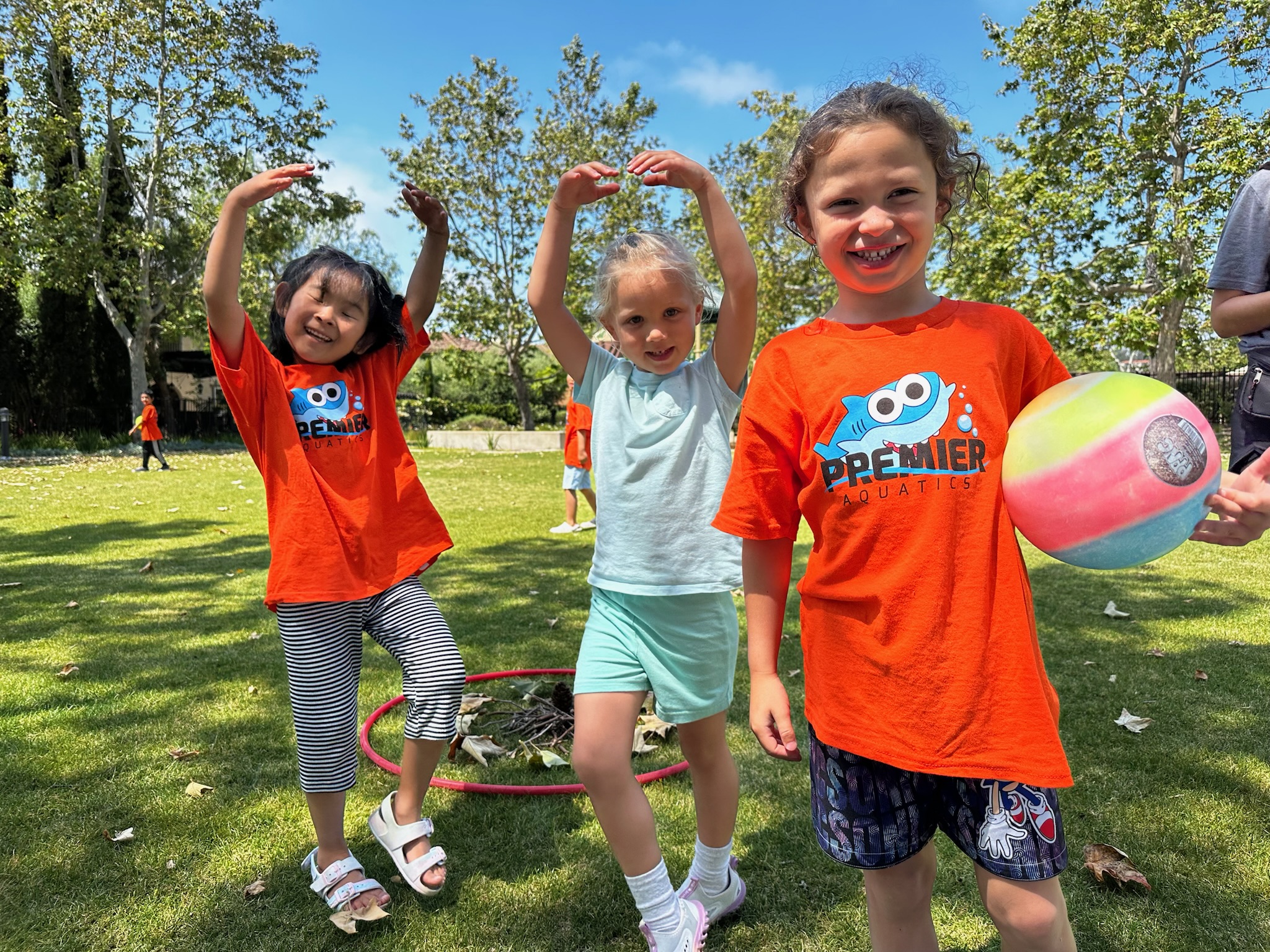
Premier Aquatic Services offers a dynamic, supportive approach to swim instruction. Our experienced instructors work with all levels—from helping beginners feel safe in the water to coaching competitive swimmers on advanced technique.