
The first goal is to make the water feel safe and familiar. Begin in a comfortable environment like the bathtub or a small kiddie pool. Use warm water; it’s more relaxing than cold water, and fill it only to your child’s legs.
This early exposure helps your child understand how water feels and behaves without feeling overwhelmed.
Play is the best way to replace fear with curiosity. Bring your child’s favorite bath toys into the water, choose some that float and some that sink.
As your child interacts with the toys, they begin to explore the water naturally, noticing how it moves and supports different objects. This turns learning into a game and builds comfort without pressure.
Once your child feels comfortable sitting in shallow water, add a cup or small bucket so they can start experimenting with pouring.
Encourage them to pour water over their arms or legs, then gradually over their shoulders. Avoid pouring over their face until they’re ready — you can begin by letting a little water trickle down from the back of the head and slowly move forward.
Blowing bubbles is one of the most effective ways to help children get comfortable with water near their face. Turn it into a fun challenge, who can make the biggest bubbles?
As your child leans closer to the water and begins to blow, they’ll naturally start to dip their face and get used to the feeling of water on their skin. It’s a small but important step toward full immersion.
Once your child feels relaxed around water in the tub, it’s time to move to a pool setting. Sit together at the edge and dangle your feet in. Encourage them to splash a little.
When they’re ready, sit together on the top step. Let your child explore at their own pace; the goal is steady progress, not speed. As their comfort grows, they’ll eventually be ready to stand on their own in the shallow water.
Children are naturally social learners. Seeing friends or siblings having fun in the water can make a world of difference.
Invite other children to join you for pool play or games that encourage movement; like passing a floating toy or splashing gently. Watching others enjoy themselves helps your child relax and shift their focus from fear to fun.
Sometimes, a little expert help makes all the difference. Professional instructors are trained to work with children who feel nervous or fearful around water.
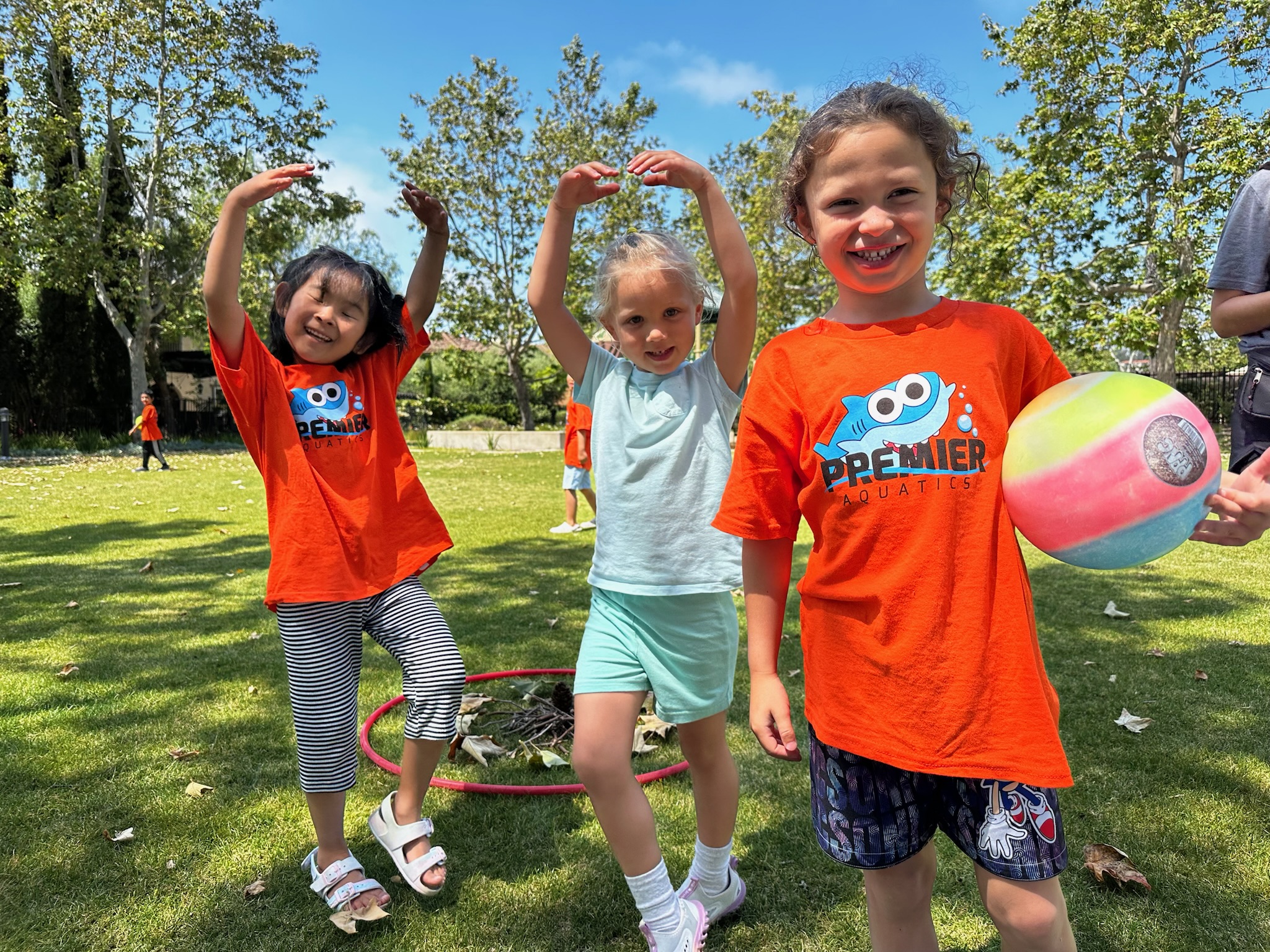
At Premier Aquatic Services, our certified swim instructors use gentle, engaging teaching methods that help swimmers of all ages build confidence and water safety skills. We focus on creating a positive environment where children replace anxiety with accomplishment and pride.
Helping your child overcome a fear of water takes time, patience, and encouragement, but the reward is priceless: a child who feels safe, confident, and ready to enjoy a lifetime of fun in the water.