
Not everyone with allergies will experience anaphylaxis. This severe reaction occurs when the body over-releases chemicals, leading to shock. The first-line treatment is an epinephrine injection, available by prescription for those who have previously experienced anaphylaxis.
For children, anaphylaxis is especially concerning because they may not yet know they have allergies and may not carry an auto-injector (EpiPen) with them.
Acting quickly is crucial during anaphylaxis. Common symptoms include trouble breathing, hives or swelling, throat tightness, a hoarse voice, nausea, vomiting, or abdominal pain, diarrhea, dizziness or fainting, low blood pressure, rapid heartbeat, a feeling of impending doom, and in severe cases, cardiac arrest.
Children may struggle to describe these symptoms. They might say things like:
"My tongue feels heavy," "my mouth itches," "there’s something stuck in my throat," or "my chest hurts."
If anaphylaxis occurs, administer epinephrine immediately if it is available and call for emergency medical help. Even if symptoms improve after using epinephrine, it is important to seek medical care, as secondary reactions can occur hours later.
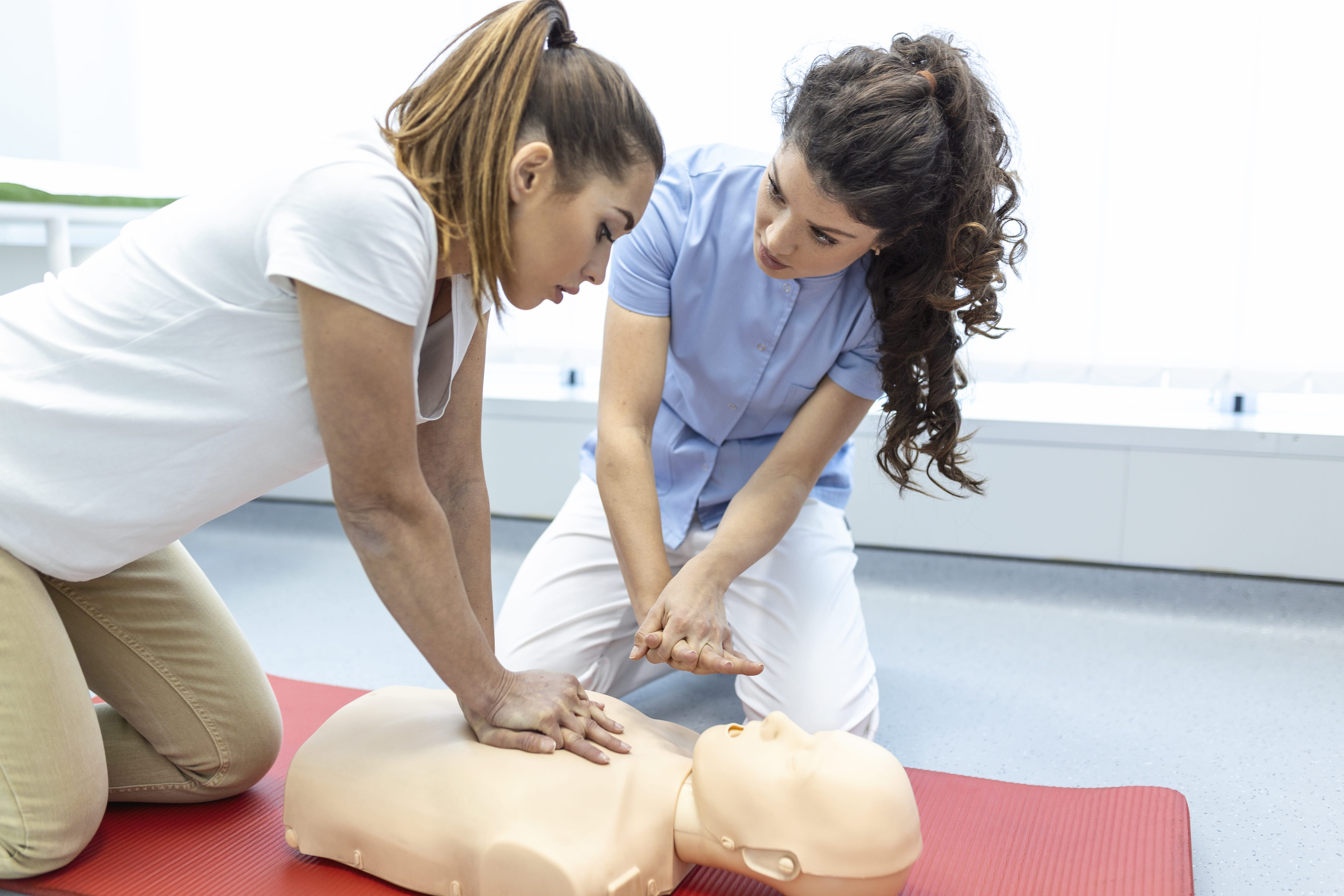
Knowing how to respond to anaphylaxis can save lives. In our first aid classes, students learn to identify anaphylactic shock, administer epinephrine safely, and call emergency services effectively.
Parents, teachers, and caregivers should be trained to recognize early warning signs, understand risk factors, and know how to respond quickly. Preparedness is key to preventing severe outcomes.
At Premier Aquatic Services, we prioritize lifesaving skills for all ages. From child swim lessons to first aid courses, we provide year-round training to help families respond confidently in emergencies.
To enroll in our Health & Safety Courses, visit us online and ensure your family is prepared.