

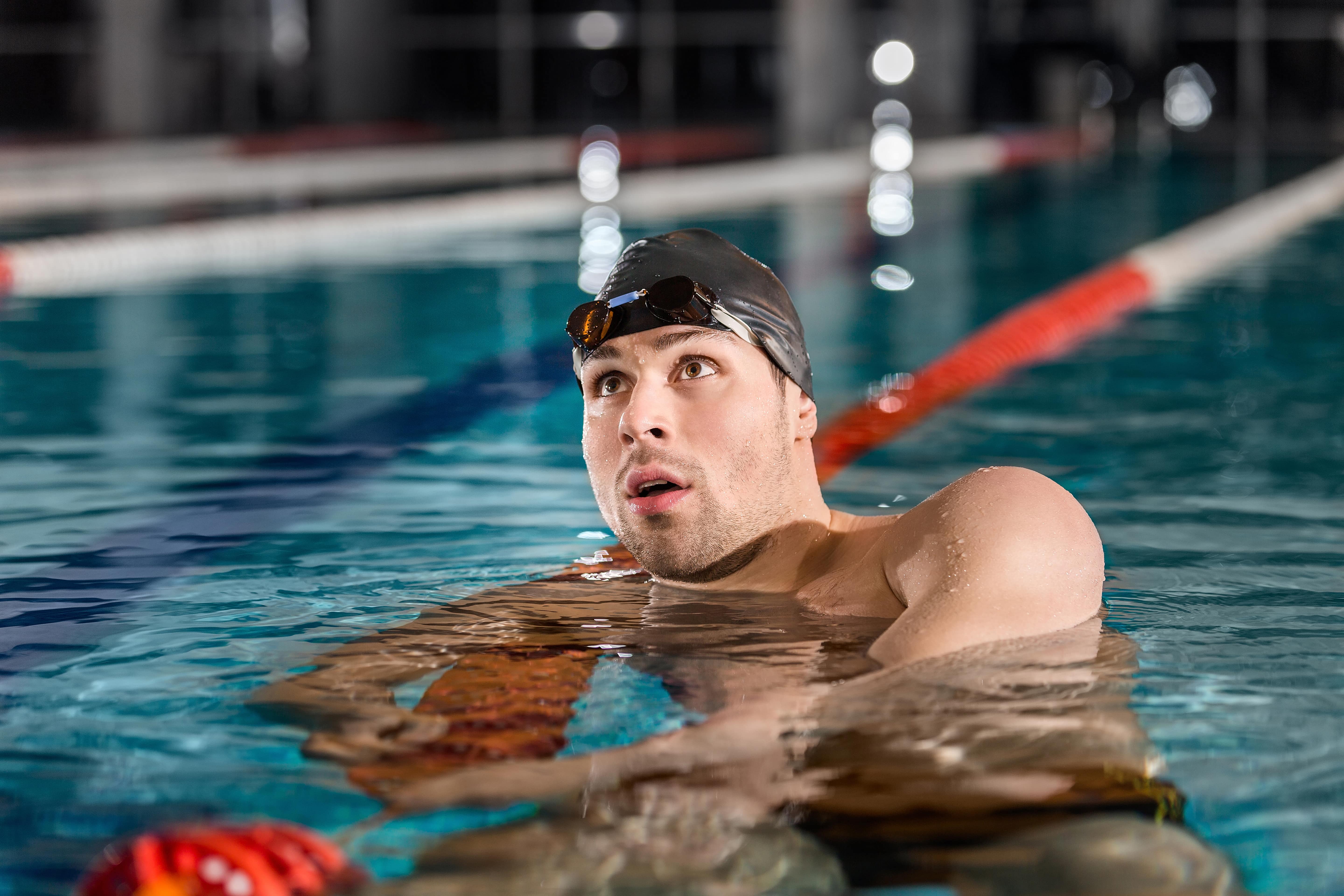
Different strokes use different muscles. While constantly switching strokes can disrupt rhythm, changing strokes before your muscles become exhausted helps prolong your workout. Many swimmers find that switching to backstroke provides a chance to catch their breath and engage different muscle groups.
Incorporate tools such as kickboards, pull buoys, paddles, and fins into your workouts. These tools not only enhance a full-body workout but also add variety and fun to your swim. Mixing up your routine keeps swimming enjoyable while targeting different muscle groups.
Instead of stopping to rest, shift the focus of your energy. For example, kick harder to give your arms a break, or rely more on your arms to reduce leg fatigue. Adjusting effort allows you to maintain momentum without overtaxing one set of muscles.
As fatigue sets in, reduce the number of strokes per length by maximizing your glide between strokes. Start by counting strokes at the beginning of your swim, then gradually reduce them later in your workout to conserve energy and maintain efficiency.
While learning to postpone fatigue is important, it’s equally vital to recognize when your technique is deteriorating. Swimming with poor form increases the risk of injury and can disrupt your training schedule. Knowing when to rest is just as essential as knowing when to push.
At Premier Aquatics Services, our instructors and coaches emphasize proper technique, awareness of form, and safe training practices. We provide guidance to help swimmers improve performance while minimizing the risk of fatigue-related injuries.
Explore our full range of group and individual swim classes by visiting our website. For tips on swim training, technique, and staying fit in the water, follow us on Facebook.