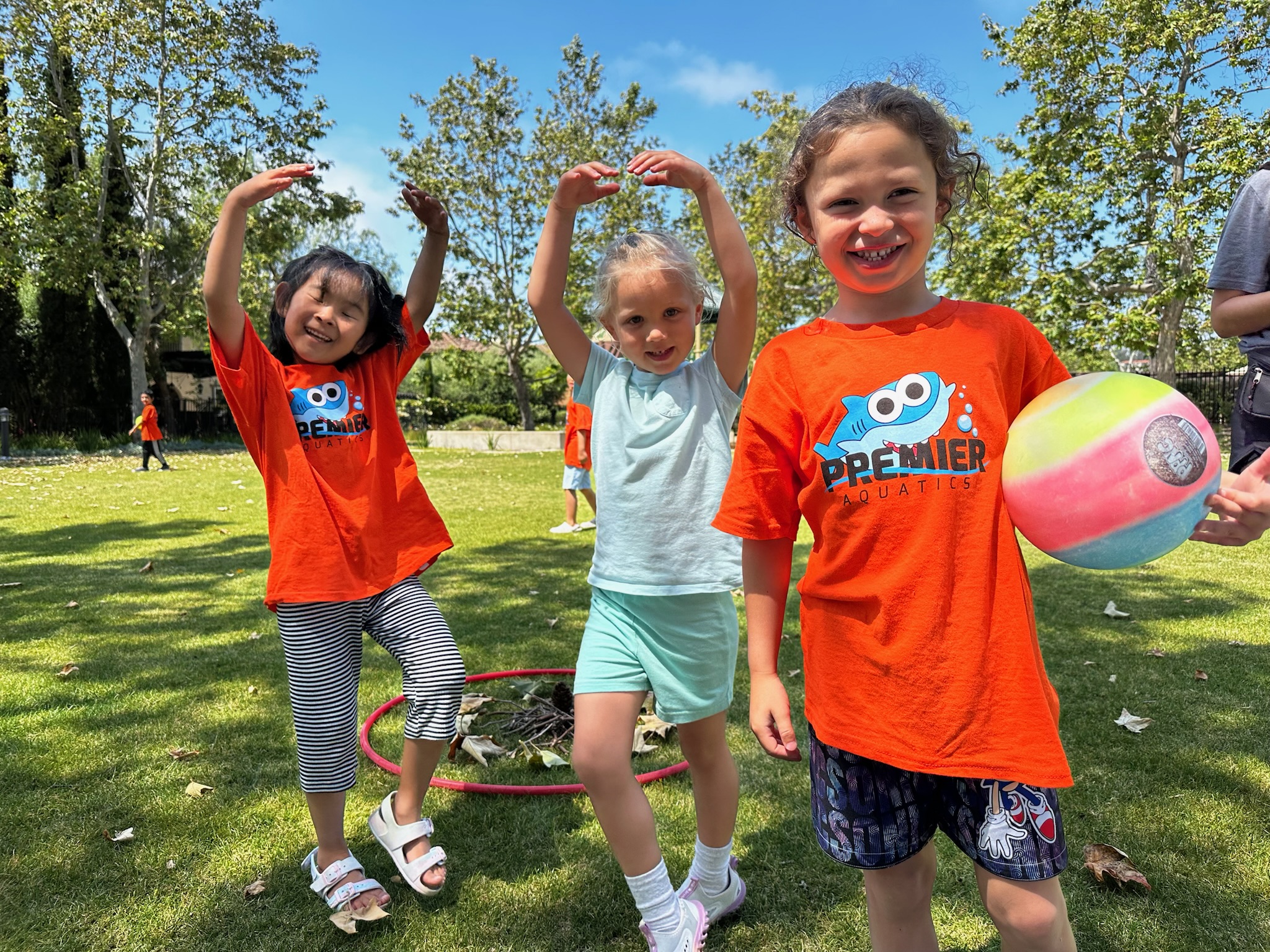

One of the best ways to ensure your toddler is ready to nap is through physical activity. Exertion helps the body relax when it’s time to rest.
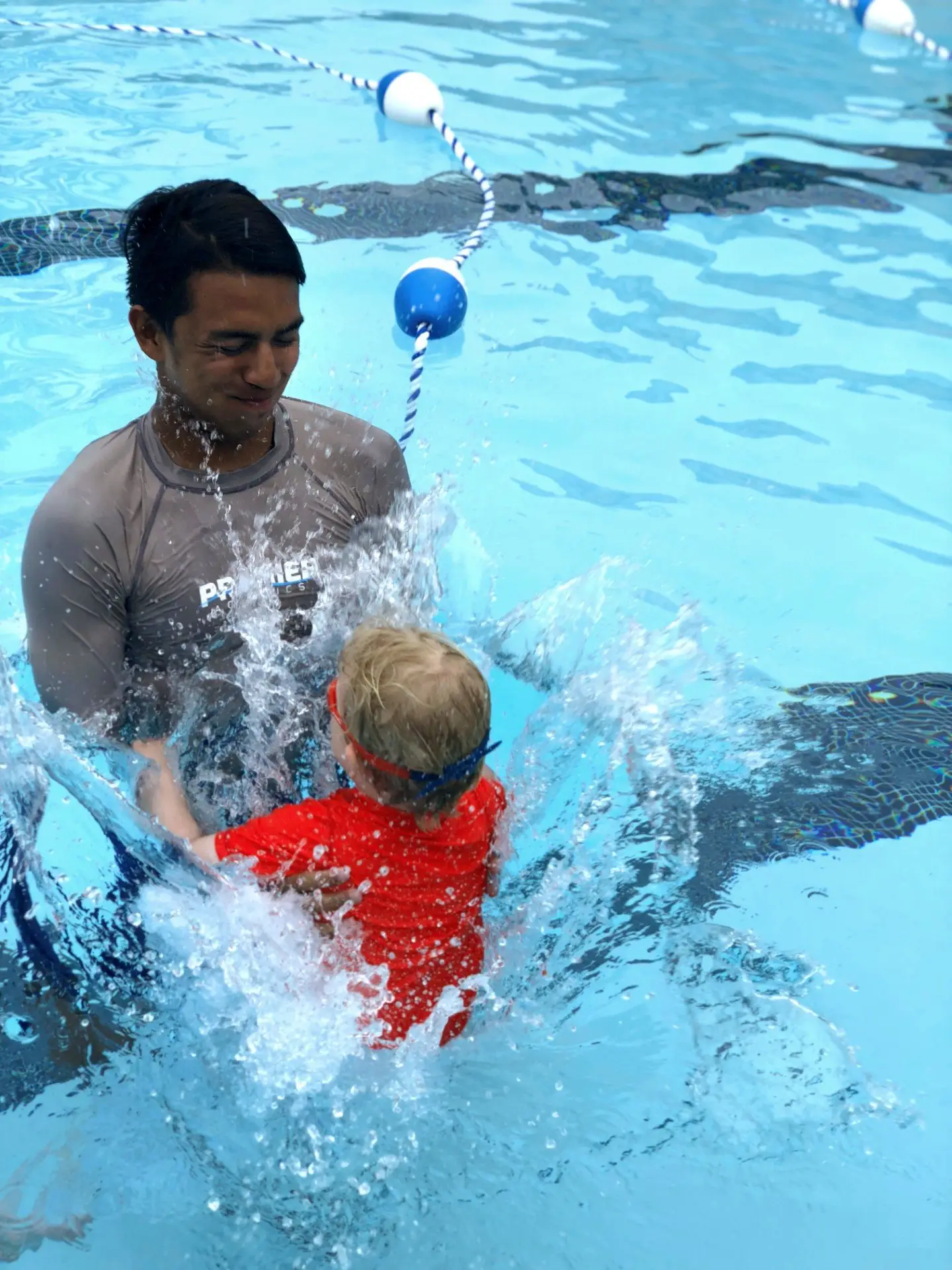
At Premier Aquatics, our 30-minute swim lessons provide both physical exercise and mental stimulation ; the perfect combination to tire out your little one. Swimming helps children burn off energy, learn new skills, and have fun, setting them up for a restful nap afterward.
Swimming uniquely engages the body and brain at the same time. During swim lessons, kids are constantly moving, kicking, splashing, and focusing on instructions. This full-body activity not only promotes healthy sleep patterns but also boosts confidence and coordination.
Research shows that too much screen time, especially before naps or bedtime, can disrupt your child’s natural sleep cycle. The stimulation from screens can make it harder for them to wind down and fall asleep. Instead, try replacing screens with quiet activities such as reading a short story, coloring or drawing, or listening to calm music.
Limiting screens before naps not only helps with sleep but also supports better focus and behavior overall.
Consistency is key when it comes to helping your toddler nap successfully. Children thrive on structure; their bodies and minds respond well to predictable schedules.
Setting the scene for relaxation can make all the difference. Make your child’s nap space cozy, dark, and quiet. Use soft blankets, white noise machines, or gentle lullabies to signal that it’s time for rest. Keep the nap location consistent; ideally the same bed or crib they use at night; so their brain associates the space with sleep.
Encourage your child to look forward to nap time. Praise them when they settle down quietly, and offer small rewards for staying in bed. Keeping nap time positive builds comfort and routine, making it something your toddler feels good about instead of resisting.
Watch for early signs that your toddler is getting tired; rubbing their eyes, yawning, becoming clingy, or losing interest in playtime. Acting quickly when you notice these cues can prevent overtiredness and make naps go more smoothly.
A well-rested child is a happier, healthier child. Incorporating regular physical activity, such as swim lessons, helps maintain balance between energy and rest.
At Premier Aquatics, we believe that swimming not only teaches vital water safety skills but also supports overall development and healthy routines.