
Survival swim training focuses on teaching babies and young children to float on their back if they find themselves in water unexpectedly. While this skill may seem valuable, the methods used in these programs have sparked controversy—and in our opinion, can cause unnecessary physical and emotional trauma.
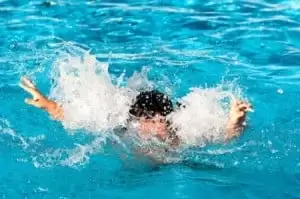
These lessons often simulate drowning scenarios over a short period of 5–10 consecutive days. Babies are repeatedly submerged; either released to go under on their own or gently pushed by the instructor—and then manipulated to flip onto their backs. The goal is for this reaction to become a learned behavior.
In survival-type classes, babies are repeatedly submerged while their parents watch from the poolside. Crying and panic are common, as infants cannot understand what is happening. Lessons are often paused to allow babies to burp and expel water and air, with parents instructed not to intervene. After class, babies may be placed on their left side to help remove any remaining water from their lungs and stomach. Parents are also required to monitor for signs of hyponatremia (water intoxication), vomiting, coughing, unusual exhaustion, or difficulty breathing, which could indicate secondary drowning. Beyond the physical risks, the emotional impact can be significant, as many children develop a fear of water, distrust swim instructors, and may even become wary of parents who watch from the side.
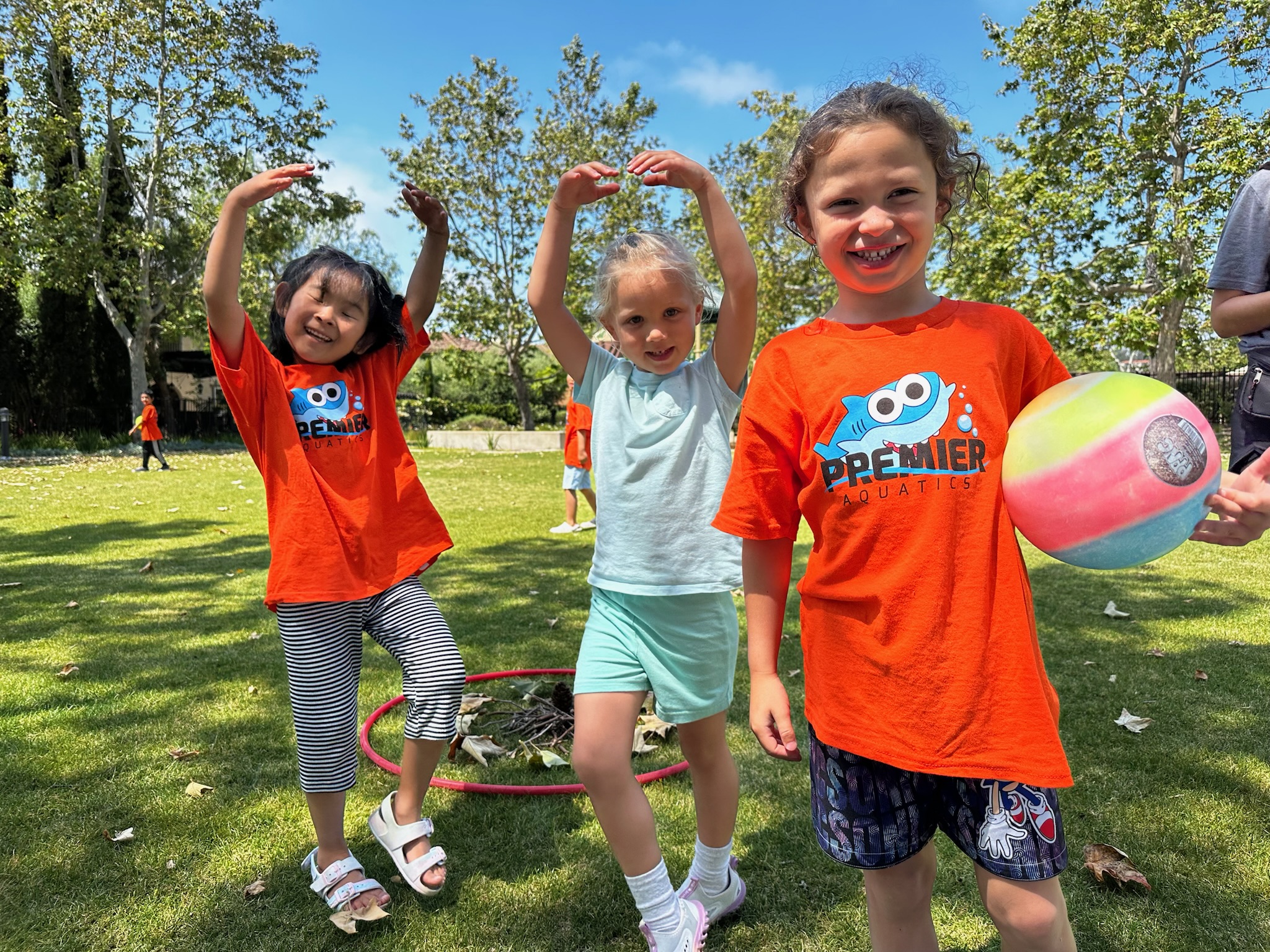
At Premier, we prioritize child-centered learning in all early childhood swim classes. Our approach emphasizes teaching the five essential swimming skills every child should know while nurturing a love of the water. We create a safe and supportive environment, often with parents in the water alongside their children, and focus on developing proper swimming techniques and lifesaving skills. Many of our older students come to us with water fears stemming from survival-type lessons. While they may have learned to float, they often cannot swim confidently. At Premier, our certified instructors work with children of all ages to build essential skills, help them overcome fears, increase self-confidence, and foster a fun, loving, and productive learning environment.