
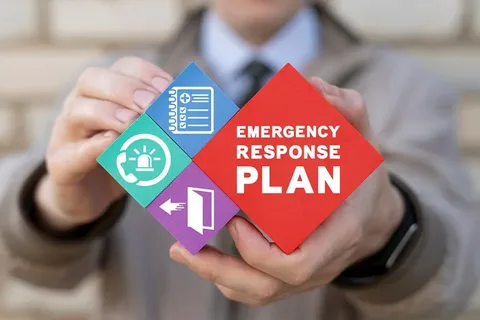
When creating a family emergency plan, consider:
Family members aren’t always together during emergencies, so having a communication strategy is critical.
Identify an out-of-town contact: A family or friend outside your area can act as a central contact. Local phone lines may be down, so long-distance communication is often more reliable.
Teach texting: When phone lines are jammed, text messages are more likely to go through. Ensure everyone knows how to send and receive texts.
Create a contact card: Keep important phone numbers written down in a central place at home and in wallets, purses, or backpacks. FEMA provides templates to gather this information.
Different disasters require different responses. Fire, earthquake, or tsunami emergencies each demand unique evacuation strategies.
Establish meeting places: Decide on multiple meeting spots—outside your home, neighborhood, and town—and determine which is appropriate depending on the emergency.
Preparation goes beyond planning:
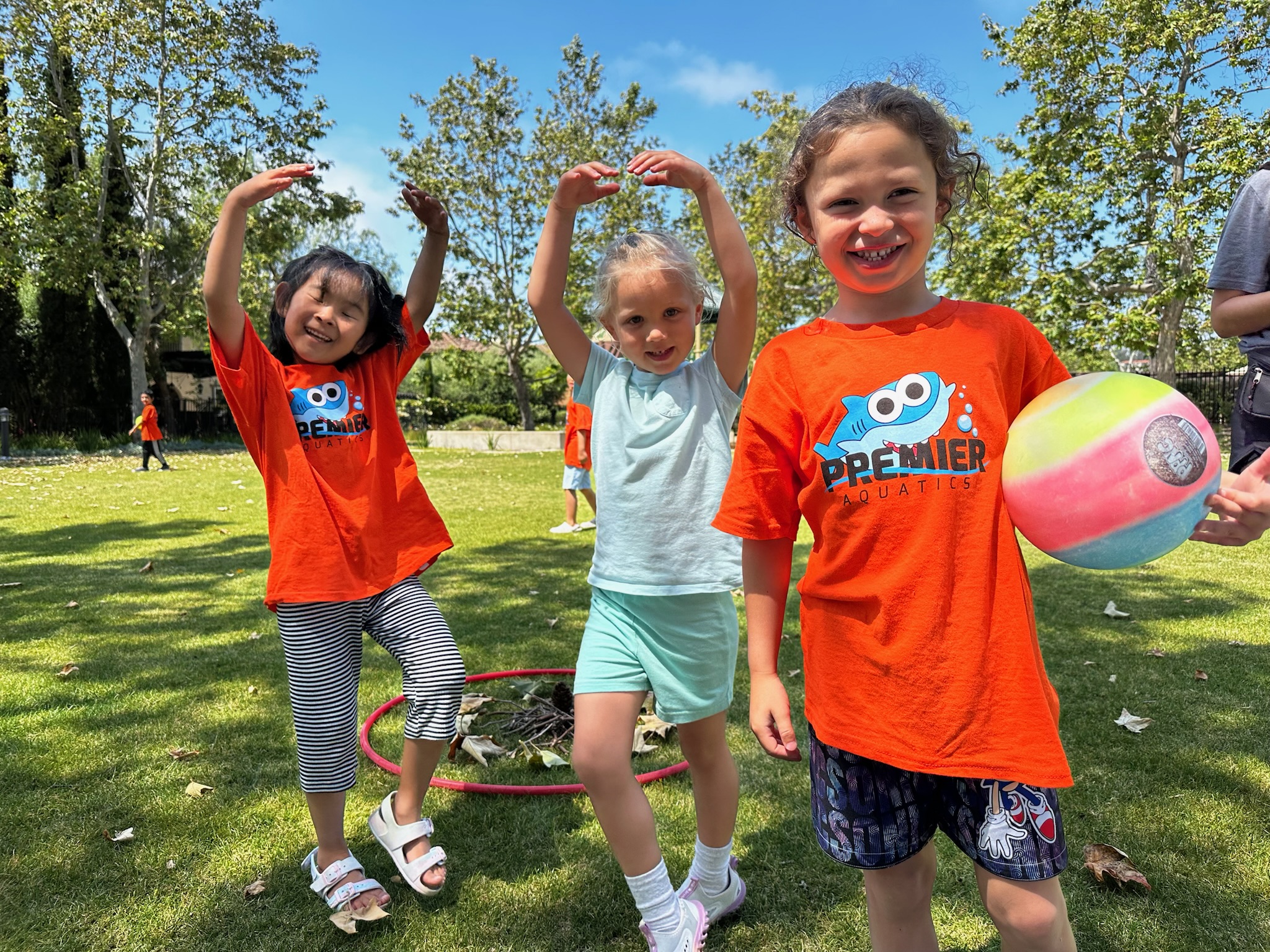
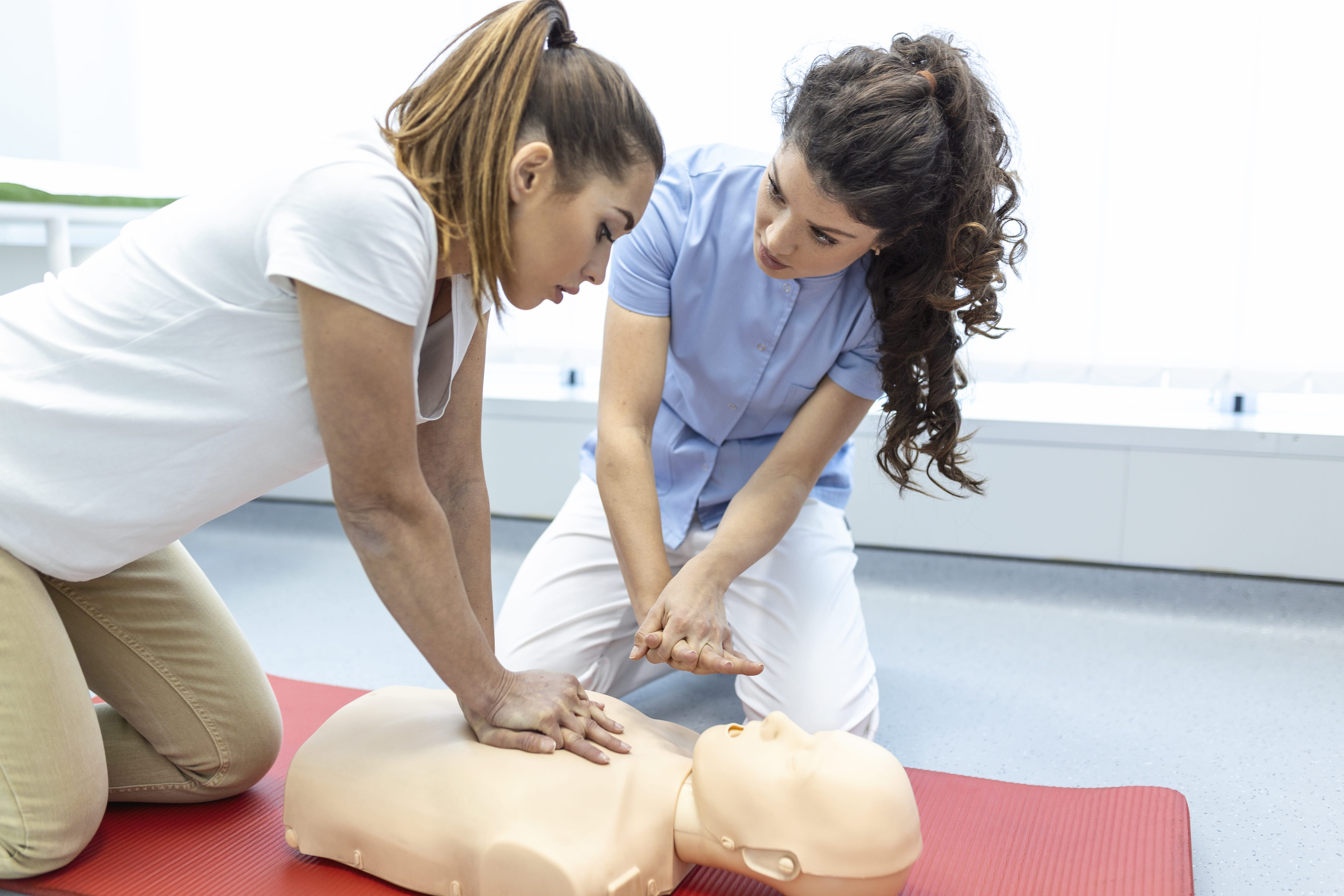
Premier Aquatics Services emphasizes the importance of equipping families with lifesaving skills. From child swim lessons to CPR certification, training helps families respond effectively in emergencies.
Premier Aquatics Services offers year-round CPR and first aid classes for all ages. Older children and adults can enroll alongside parents to build confidence and skills.
Sign up for our newsletter to receive tips, updates, and discounts on off-season swim lessons and safety courses. Staying informed ensures your family is always prepared.