
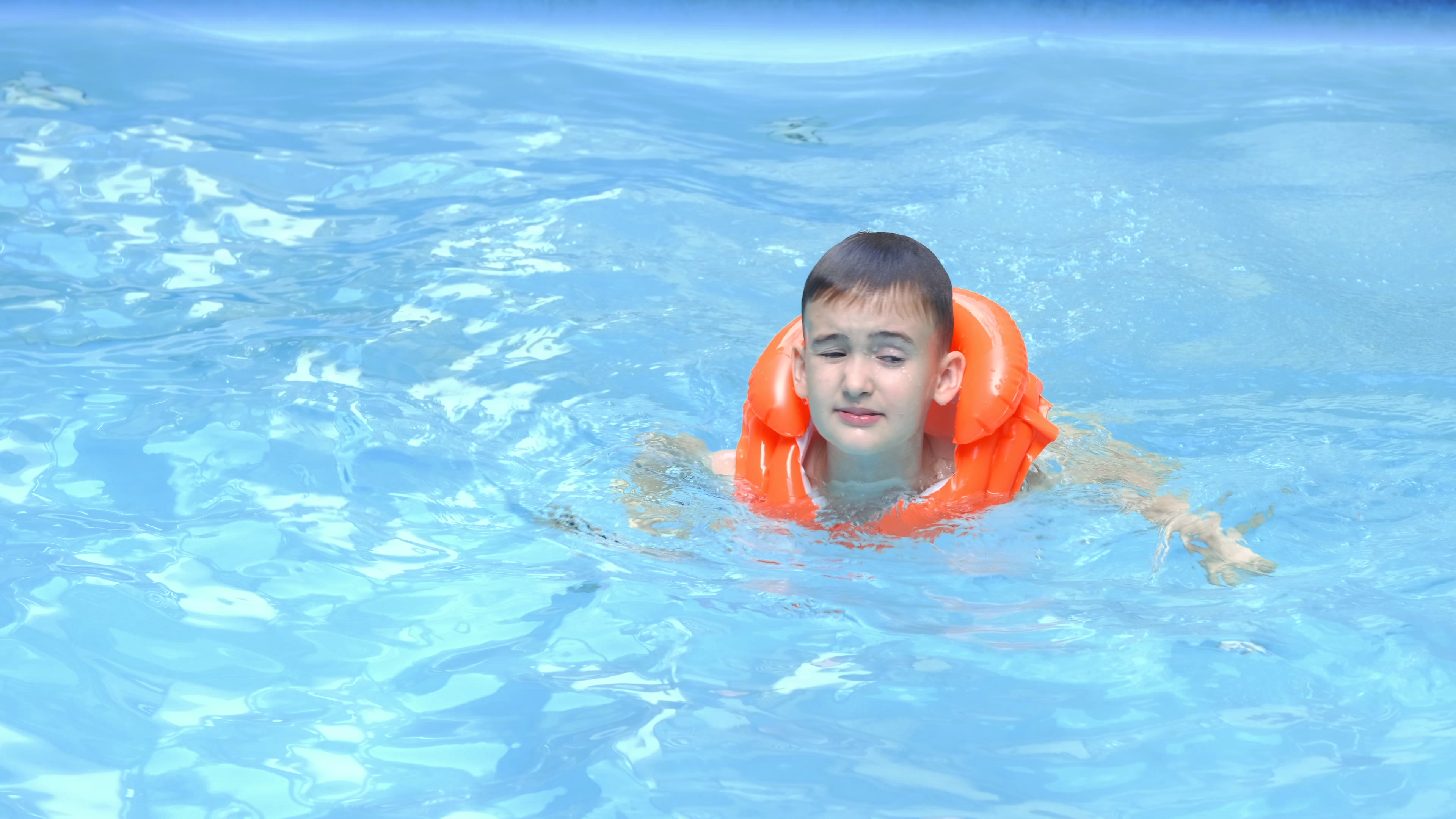
Bring your child to the edge of the pool without water wings or flotation aids. These devices can create a false sense of security and may lead to a reliance on them instead of building independent swimming skills.
Encourage your child to touch and splash the water to show that it is safe and fun. Demonstrating that water won’t hurt them helps reduce anxiety and builds trust in the swimming environment.
Blowing bubbles is an essential skill for water confidence. Show your child how to blow bubbles while in the water. If they are still hesitant, let them practice while lying on the edge of the pool without fully submerging.
Incorporate play into water introduction. Start by tossing sinking toys in the shallow end for your child to retrieve. Gradually increase the depth as they gain confidence, eventually encouraging them to put their head underwater to reach the toys.
Floating on the stomach or back can be challenging. Support your child’s body with your hand initially. Once they feel comfortable, gradually remove your support. Add gentle kicking and arm movements while floating to help them develop swimming coordination.
Have your child push off the wall or jump into the water toward you. Start close and progressively increase the distance. Encourage basic arm and leg movements as they gain confidence and control in the water.
With consistent practice, your child will gradually become more comfortable in the water. Once they learn proper swimming techniques, they can confidently swim independently