
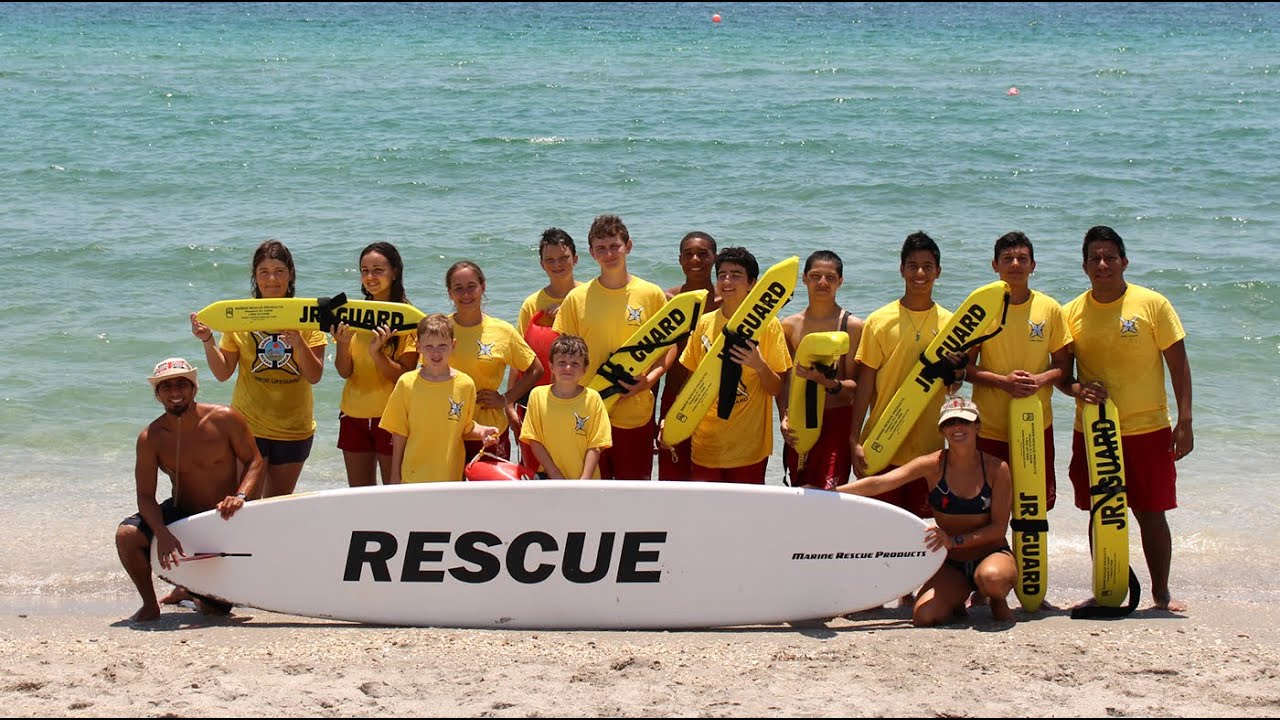
Before focusing on preparation, it’s important to understand what it truly means to be a Junior Lifeguard. These young individuals are more than just helpers—they are ambassadors of water safety. Junior Lifeguards assist certified professionals, educate others about safe swimming practices, and are often the first to respond to potential issues.
They must demonstrate strong swimming skills, knowledge of first aid, and the ability to stay calm and focused in high-pressure situations. This role builds the foundation for future lifeguards and develops valuable life skills such as responsibility, leadership, and teamwork.
The primary purpose of the Junior Lifeguard test is to assess core lifesaving abilities. Proper preparation ensures that participants have the swimming endurance, rescue knowledge, and confidence to handle real-life emergencies safely.
Preparation builds both skill and confidence. By practicing consistently and becoming familiar with the test format, candidates learn to trust their abilities—critical when responding under pressure in emergency situations.
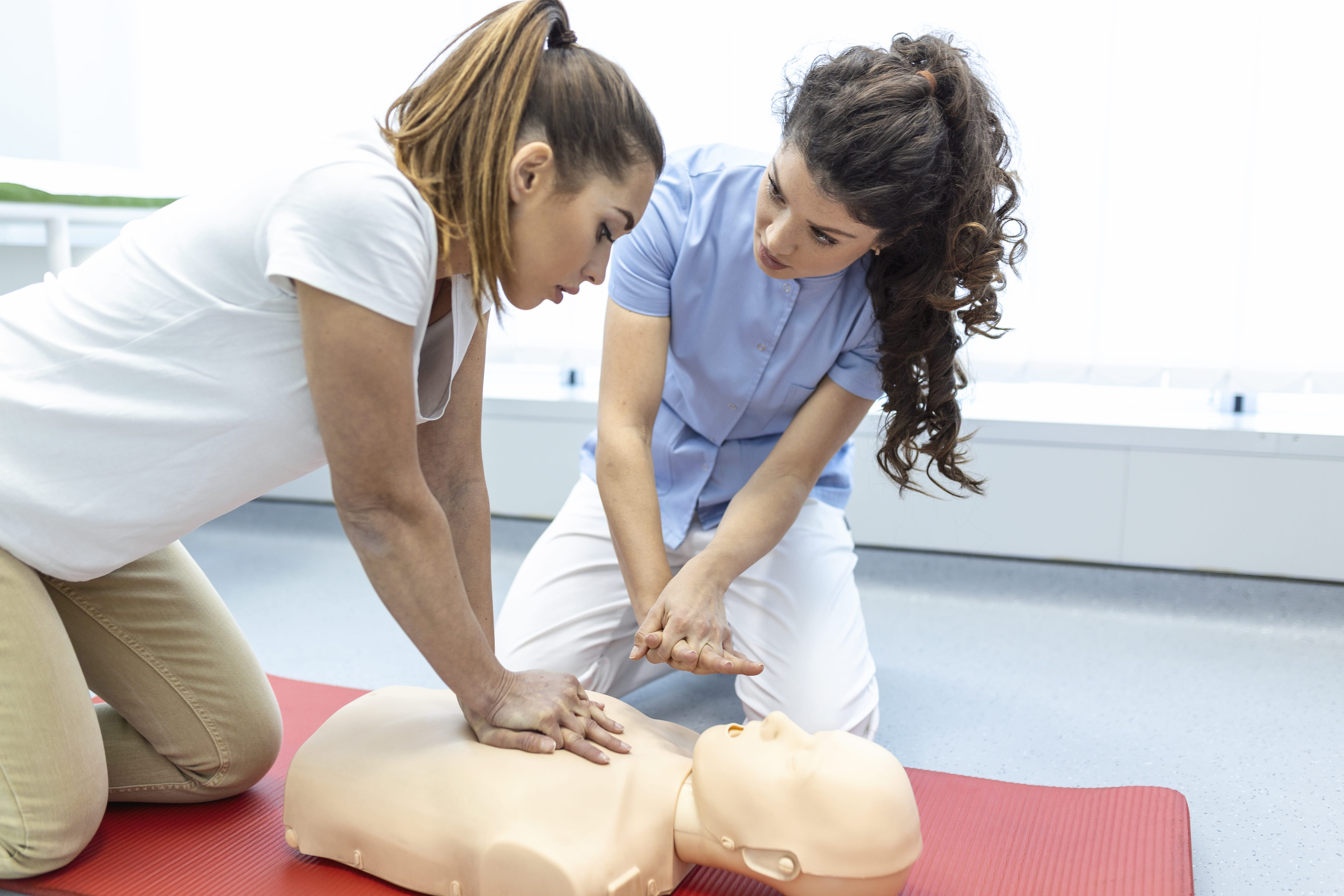
The Junior Lifeguard test covers swimming, CPR, first aid, and rescue drills. Preparation allows candidates to sharpen these techniques through structured practice, improving both test performance and real-world readiness.
Showing up prepared demonstrates commitment to the role. A well-prepared candidate shows maturity, reliability, and respect for the lifeguard community—traits that employers and programs value highly.
Beyond the physical skills, training for the Junior Lifeguard test builds resilience, focus, and a strong work ethic. Overcoming challenges during training instills discipline and a sense of accomplishment that extends far beyond the pool or beach.
To set yourself up for success, consider the following strategies for Junior Lifeguard test preparation:
Enroll in a dedicated Junior Lifeguard prep program, such as the one offered by Premier Swim Academy in Aliso Viejo. These structured programs provide hands-on instruction, simulated rescue drills, and guidance from experienced trainers.
Consistency is key. Schedule regular swimming sessions, rescue simulations, and CPR/first aid reviews. Repetition strengthens endurance and muscle memory—two essentials for success.
Don’t overlook the theory. Familiarize yourself with CPR guidelines, safety protocols, and rescue procedures. Understanding the “why” behind each technique enhances your ability to react quickly and correctly.
Participate in mock test sessions that replicate real exam conditions. Practicing under timed, structured scenarios builds confidence and helps identify areas for improvement.
Ask for feedback from certified lifeguards or instructors. Their real-world experience can help you refine your technique, improve efficiency, and learn insider tips to perform at your best.
If you’re preparing for the test, here are some great Junior Lifeguard programs in Orange County and nearby areas:
Preparing for the Junior Lifeguard test is about more than passing an exam—it’s about building a foundation of confidence, leadership, and water safety awareness. Through dedication and consistent practice, young candidates develop the mindset and abilities that define great lifeguards.
Whether you’re guarding the beach, supervising pool activities, or simply ensuring your friends swim safely, preparation is the first step toward becoming a true guardian of the water.
So, dive in, stay focused, and start your journey toward becoming a Junior Lifeguard leader in your community!