
Although it’s natural to assume that anyone who appears to need help wants it, this is not always the case. Legally and ethically, you must receive permission before touching or treating someone. Providing care without consent could be considered assault or battery, even with good intentions.
here are two primary types of consent in emergency care:
This is given verbally or in writing. The victim must be conscious, coherent, and able to clearly understand the situation. When a person says, “Yes, please help me,” they have given expressed consent.
If a victim cannot communicate due to unconsciousness, intoxication, mental impairment, injury, language barrier, or being a young child—rescuers assume the person would want help if they were able to ask. This is implied consent and allows first responders to take lifesaving action.
A conscious, unimpaired adult must provide expressed consent before you administer care. For children or individuals unable to communicate, implied consent applies.For medical professionals, lifeguards, and trained responders, obtaining proper consent is part of standard safety protocol and helps protect both the victim and the rescuer.
Your own safety always comes first. Never put yourself in harm’s way to help someone who refuses care. In any emergency:
These steps ensure that you can provide support safely and responsibly.
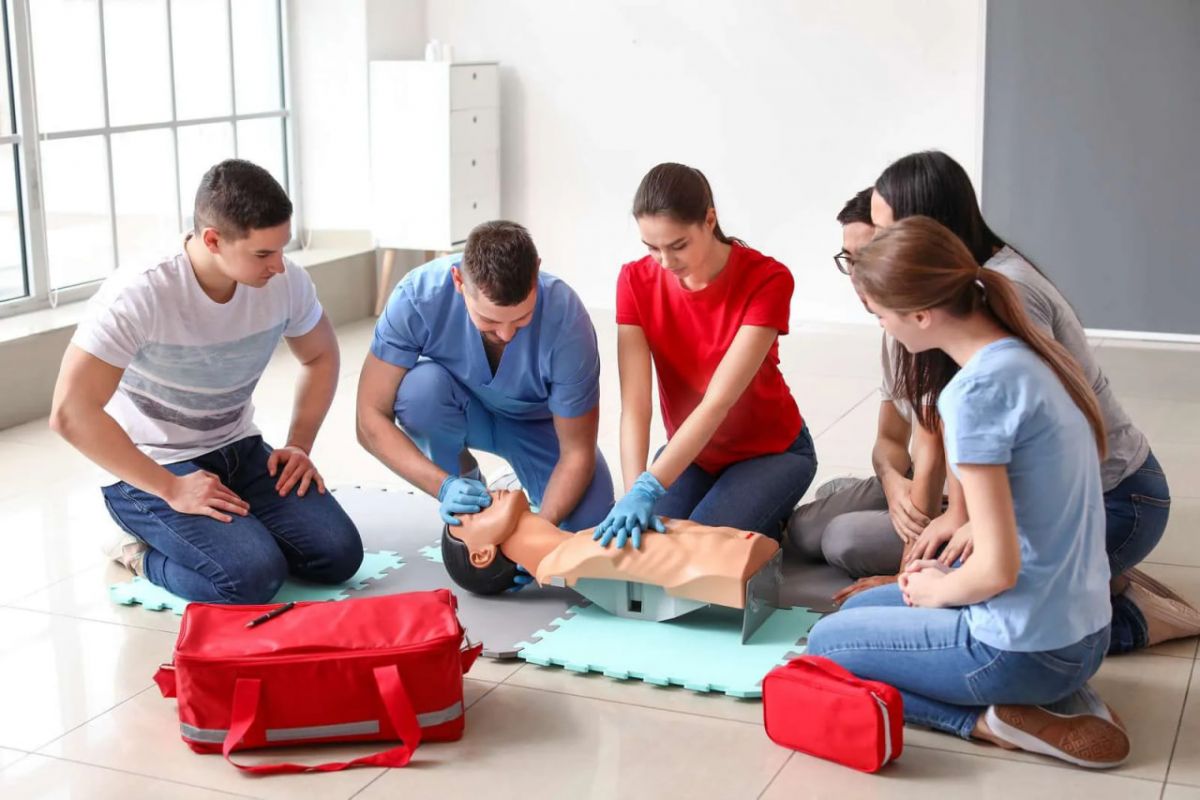
Premier Aquatic Services is committed to empowering families with vital emergency skills. From swim lessons that build water safety to American Red Cross CPR and First Aid training, we offer year-round programs for all ages.
Older children and parents can even learn CPR together, helping prepare the whole family for unexpected emergencies.
Click here to learn more or enroll in a CPR class today!
Sign up for our newsletter to receive safety tips and discounts on off-season swim lessons. At Premier Aquatics Services, we’re here to help you stay informed, prepared, and confident; no matter the situation.