
Recognizing the signs of a distressed swimmer, an active drowning victim, and a passive drowning victim at each stage could mean the difference between a rescue and a recovery.
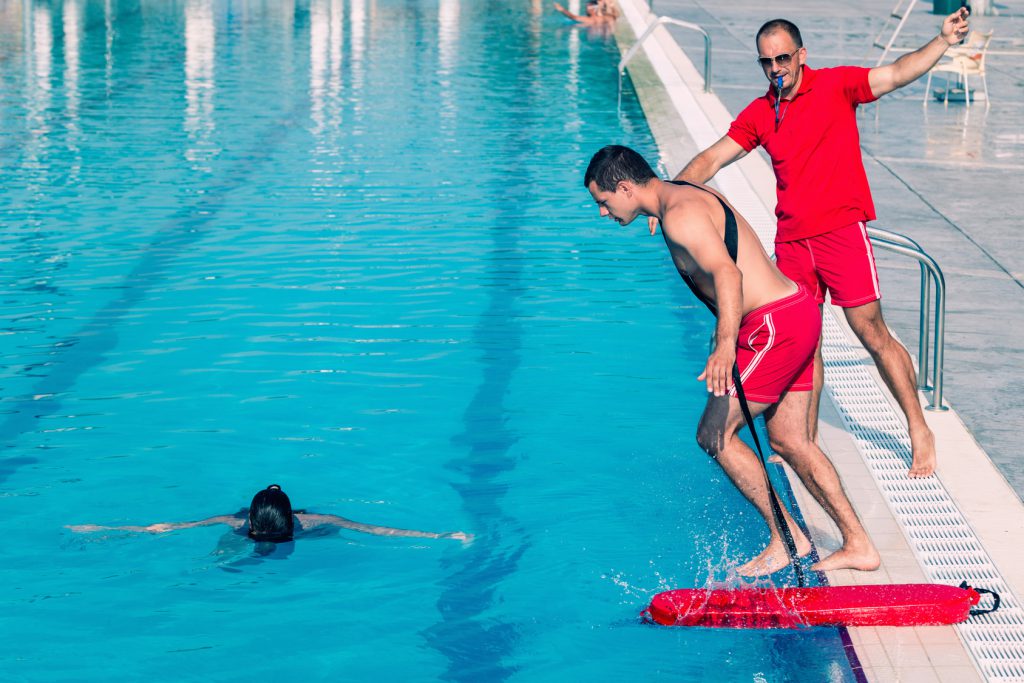
A distressed swimmer is not yet drowning but is in trouble and needs help. This situation can arise for many reasons, including exhaustion, cramps, sudden illness, or unexpected water conditions. They may keep their head above water but appear panicked or fatigued, struggle to stay afloat, or try to grab onto nearby objects. Often, they make little or no forward progress in the water and may call or wave for help, though not always.
An active drowning victim struggles to breathe and stay above water. Contrary to what you may see in movies, drowning is often silent and fast, frequently occurring without a single call for help. The victim may keep their mouth at or just below the surface, gasping for air, and tilt their head back in an effort to breathe. Their arms are typically extended downward or to the sides, pressing on the water, and they remain vertical with little or no forward movement. In children, the body may tip into a facedown, horizontal position. At this stage, the victim cannot wave, yell, or signal distress, as all of their energy is focused entirely on trying to breathe.
A passive drowning victim shows no signs of struggle, which can result from a sudden illness, injury, or loss of consciousness, and is sometimes linked to drug or alcohol use. They may be motionless and unresponsive, with their face submerged or floating facedown. Often, they are fully underwater, appearing as a shadow or sinking slowly.
First, assess the situation and determine whether it is safe for you to intervene. If a lifeguard is present, alert them immediately. If no lifeguard is available, call 9-1-1 and clearly describe the emergency. Only enter the water if you are trained and capable of performing a safe rescue. Remember, your safety is just as important, as an untrained rescuer can easily become another victim.
The best way to prevent water emergencies is through education and preparation.
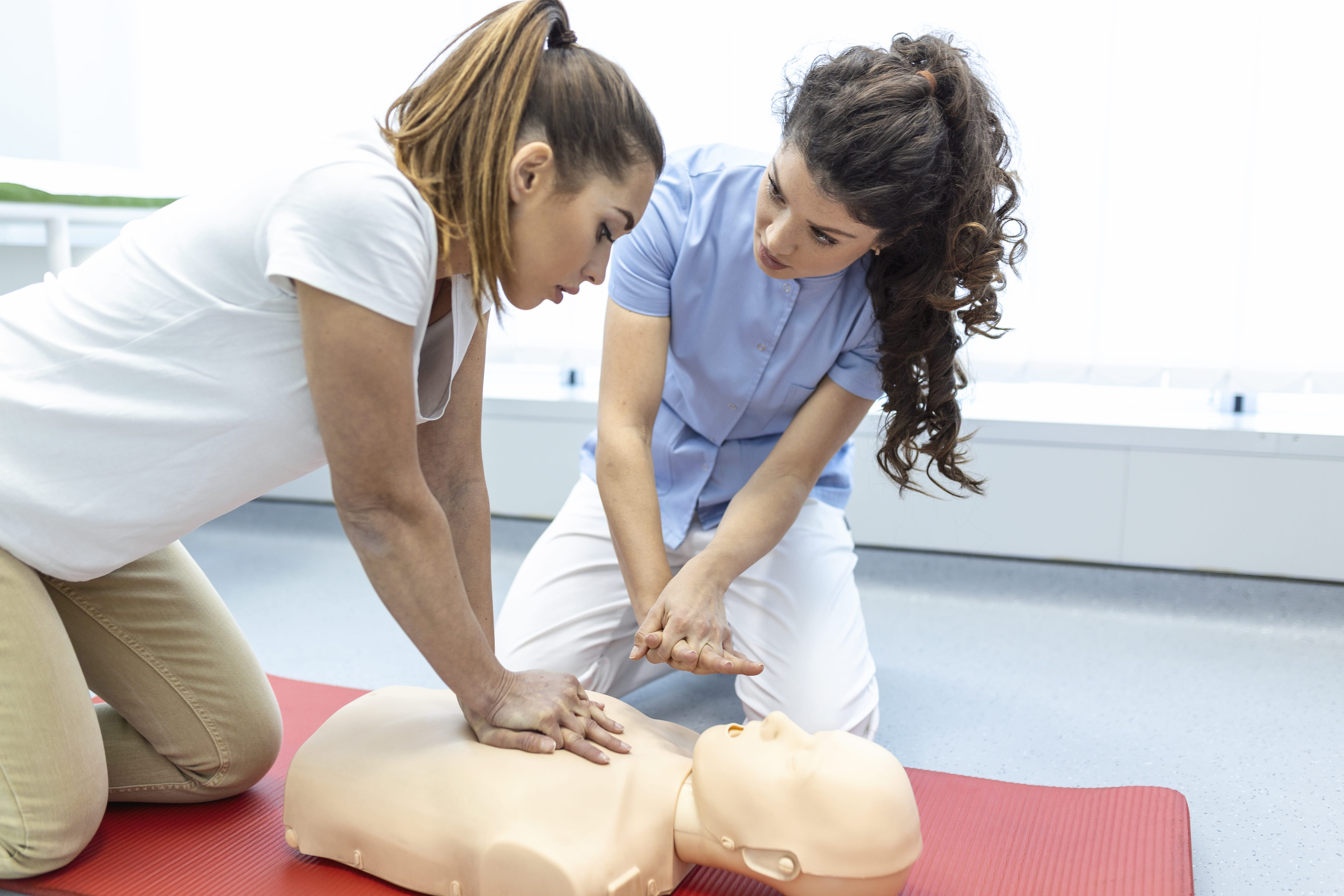
At Premier Aquatic Services, we are dedicated to equipping our community with the knowledge and skills to stay safe in and around the water. We offer swim lessons for all ages and abilities, as well as First Aid, CPR, and AED training. Additionally, we provide water safety and rescue courses to ensure everyone is prepared for emergencies.