
Last week, five Orange County children were involved in near-drowning incidents—three in pools and two in the ocean. Four of them were under five years old. These alarming events serve as an important reminder: drowning can happen quickly, quietly, and in any setting.
Pools often give parents a false sense of security. Clear water, safety gates, and the presence of other adults may make it seem like someone would immediately notice a child in trouble. Unfortunately, this isn’t always the case. Remaining vigilant is essential.
Never take your eyes off children near the pool. Even a momentary distraction can be dangerous. If the pool is a social setting, coordinate with another adult so one of you is always focused solely on supervising the children.
If a child cannot swim confidently, an adult should be in the water, within arm’s reach—regardless of flotation devices.
Talk with children while they play and listen for normal, playful responses. Remember: a drowning child cannot call out for help.
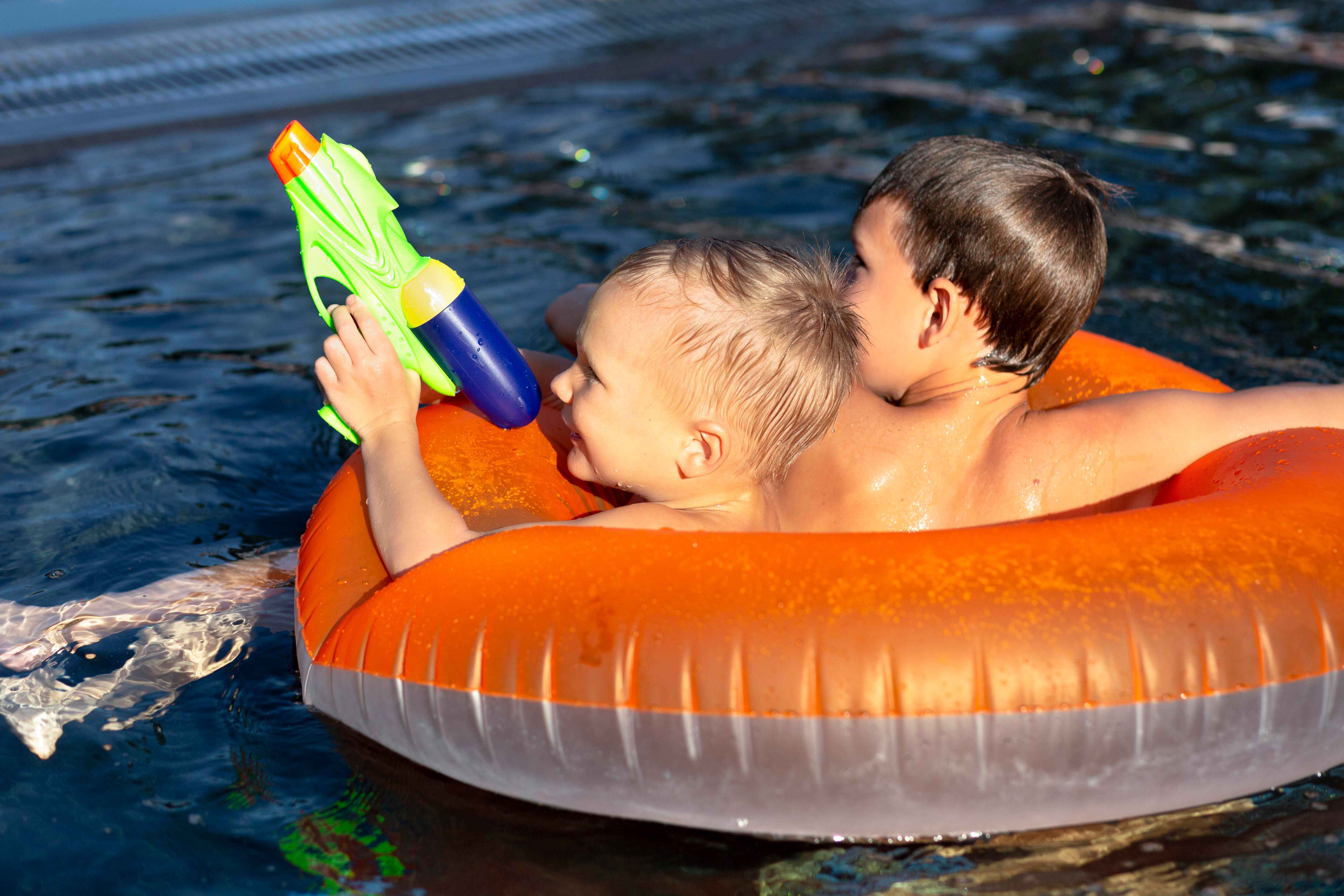
Less experienced swimmers should wear U.S. Coast Guard–approved life jackets when outside the pool area. These offer extra protection if a child falls into the water. Some pool toys and floats may create risk rather than safety—ask us for recommendations.
Lifeguards are an added layer of protection, but they cannot watch every child at every moment. Your child’s safety ultimately depends on your supervision.
Teaching children to swim is one of the most important steps you can take to protect them. Early swim lessons help kids build confidence, learn life-saving skills, and stay safer around water.
In nearly all of last week’s near-drowning incidents, parents reported being distracted for only a minute or two. Drowning is fast and silent—not the dramatic struggle many imagine. Read our blog “Recognizing the Quiet Signs of Drowning” to learn the subtle signs you should never ignore.
Premier Aquatics Services offers first aid training, water safety programs, and year-round swim lessons for all ages. We are currently enrolling for our fall sessions.
Click here to learn more about our swim programs.
Sign up for our newsletter to receive discounts on off-season lessons!