
Just like academic skills fade during long breaks, swimming skills can quickly diminish without regular practice. Year-round lessons ensure that children continue to advance rather than relearning the same skills each summer—leading to safer, more confident swimmers.
With ongoing lessons, children build on previously mastered skills instead of starting from scratch. This steady progression strengthens their technique, improves water safety, and allows them to confidently learn more advanced strokes and skills over time.
Swimming is a fantastic year-round workout. It keeps children active during the school year in a fun, low-impact environment that reduces the risk of sports-related injuries. Regular swimming also develops strength, endurance, and coordination—and can pave the way for future aquatic sports like swim team or water polo.
Research shows that children who participate in consistent, early swim lessons often demonstrate stronger cognitive and motor skills. Swim lessons also support focus and discipline—skills that positively influence academic performance.
(See our related post: Can Swim Lessons Make Your Child Smarter?)
A study by the German Sports College in Cologne found that children who learn to swim early tend to handle new or unfamiliar situations more comfortably. Learning to manage fear, take risks, and overcome challenges in the water helps children develop confidence that carries into other areas of life—like adjusting to new teachers, classrooms, or routines.
Year-round lessons create opportunities for children to meet new peers, reconnect with familiar faces, and build meaningful relationships with instructors. The consistent environment of the pool fosters trust, communication, and teamwork strengthening social confidence.
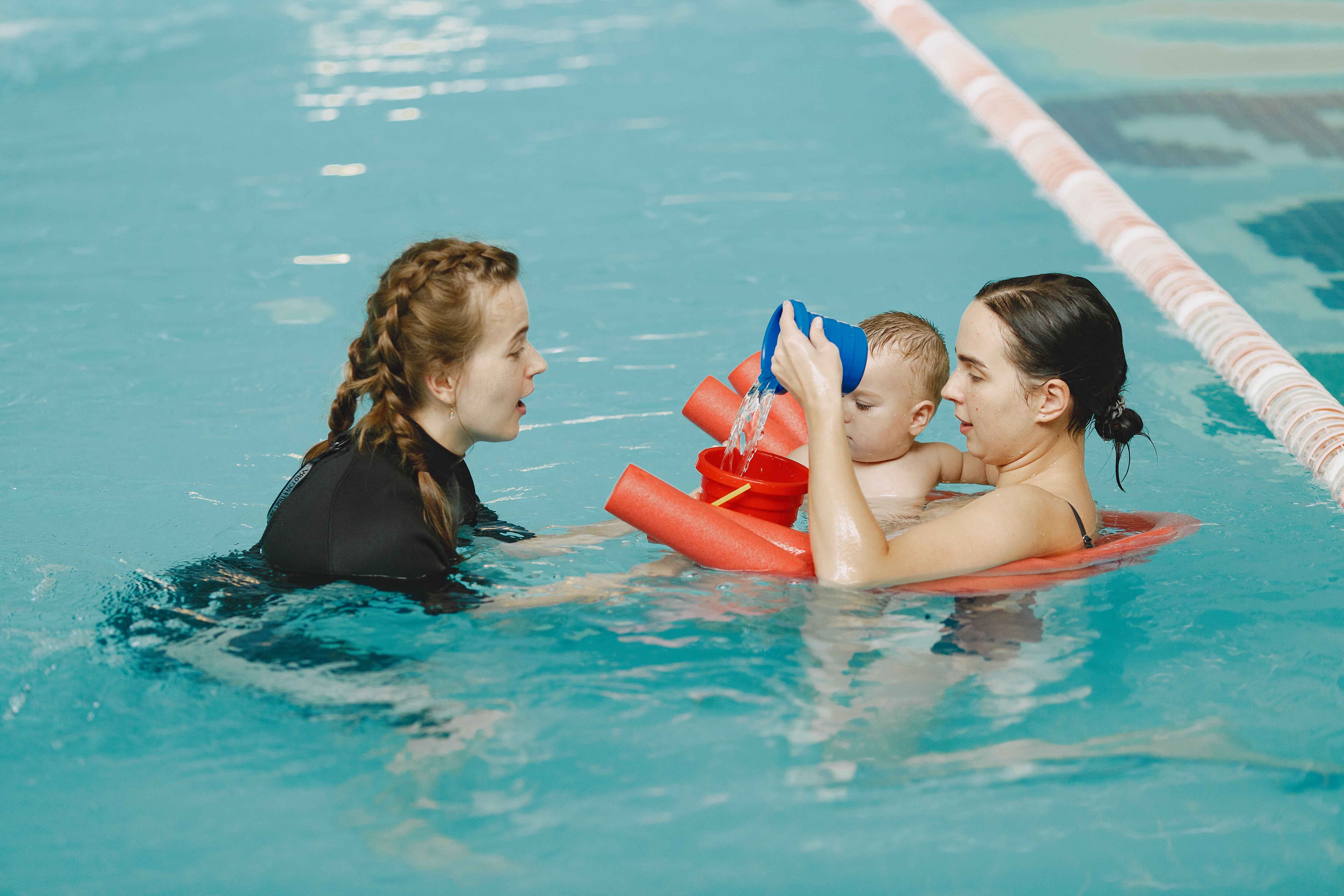
For infants and young children, swimming together provides a unique bonding experience. Close contact, shared enjoyment, and learning new skills as a team help strengthen trust and deepen the parent-child relationshi