

Every organized outing should have a clearly written safety plan. This plan should outline supervision procedures, emergency response protocols, and safety rules for all participants.
If the group doesn’t have one in place, your question might help prompt better planning; ultimately keeping everyone safer.
Always confirm that trained, certified lifeguards will be on duty wherever the children are swimming; whether that’s a pool, beach, or lake.
For optimal safety, there should be no more than 20 swimmers per lifeguard. Certified lifeguards are trained to spot distress early and respond quickly — a crucial layer of protection.
Five chaperones may sound like plenty until you learn there are 100 kids attending. The chaperone-to-child ratio is one of the biggest indicators of how closely children will be monitored.
Ask how many children each adult is responsible for and whether the chaperones will be in the water, on deck, or on shore.
Not all water activities carry the same level of risk. Swimming, diving, paddleboarding, and boating all require different skills and safety measures.
Ask what’s planned for the day and how supervision will be adjusted for higher-risk activities. Be open about your child’s swimming ability so that organizers can place them in suitable activities
A good safety system identifies swimmers based on ability; using colored wristbands, swim caps, or separate groups.
Each chaperone or instructor should clearly understand which children are strong swimmers and which ones require shallow-water supervision or flotation devices.
Some children won’t have the same skills as others, and that’s okay — as long as there’s a plan in place.
Ask how the group will prevent children from joining activities beyond their abilities, and where those children will be directed instead. Every participant should have a safe, supervised option.
A reliable headcount system is essential. Whether it’s through buddy systems, roll calls, or small group check-ins, the group should be able to account for every child quickly and efficiently.
Ideally, this system should be practiced at the start of the day, so both chaperones and children understand the procedure.
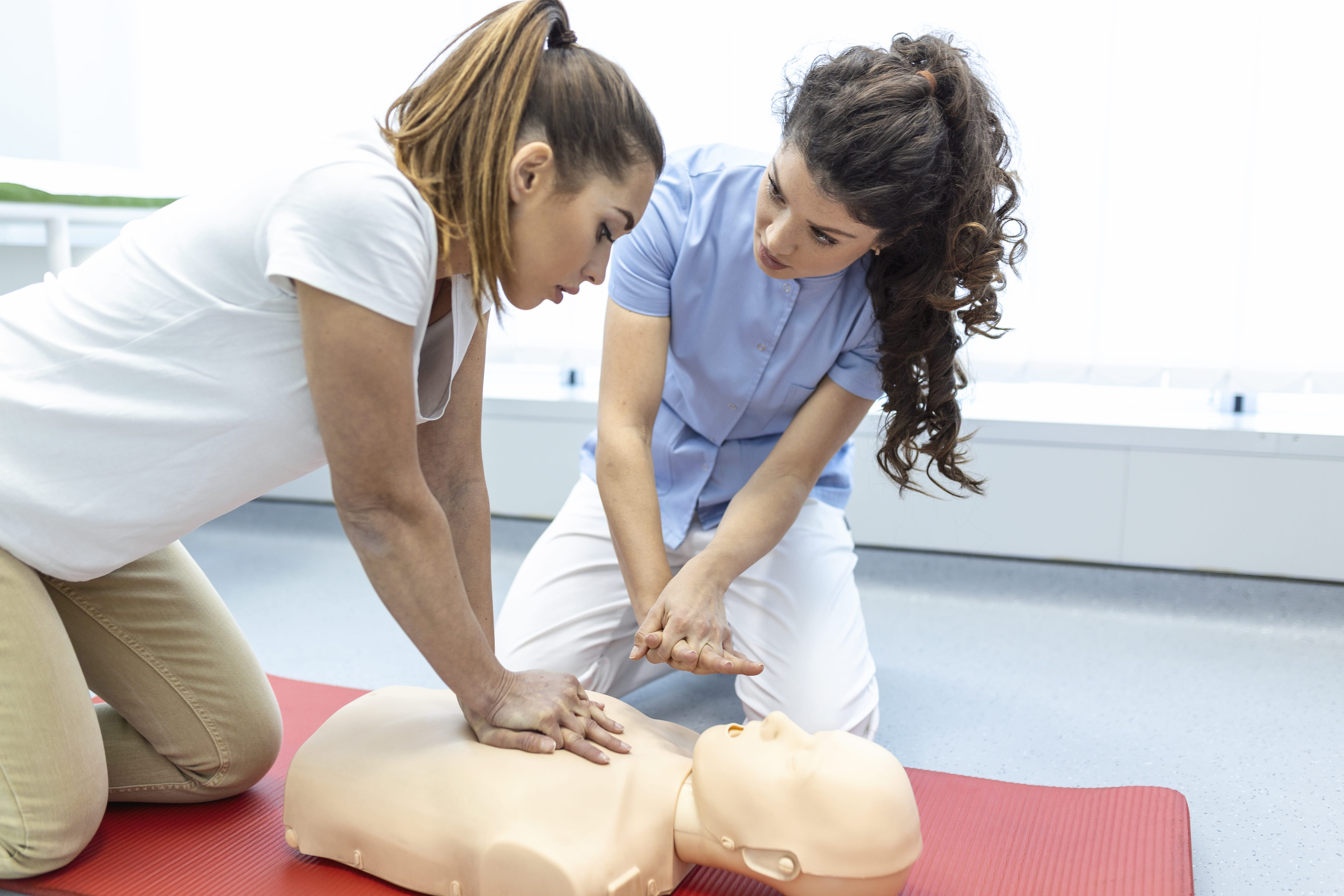
All staff and volunteers are trained in lifesaving skills. Lifeguards hold valid certifications, and chaperones are ideally trained in water safety, CPR and first aid, as well as emergency response procedures.
At Premier Aquatic Services, we specialize in helping organizations and families stay safe around the water.
If your group or organization plans to host regular outings this summer or fall, consider enrolling your chaperones in our Health and Safety Training Classes and hiring a Certified Premier Lifeguard to monitor your next event.