
Introducing children to the water at a young age helps them feel safe and comfortable. Early exposure allows them to gradually overcome fear or hesitation around pools and oceans, making swimming a fun, confidence-building activity rather than something intimidating.
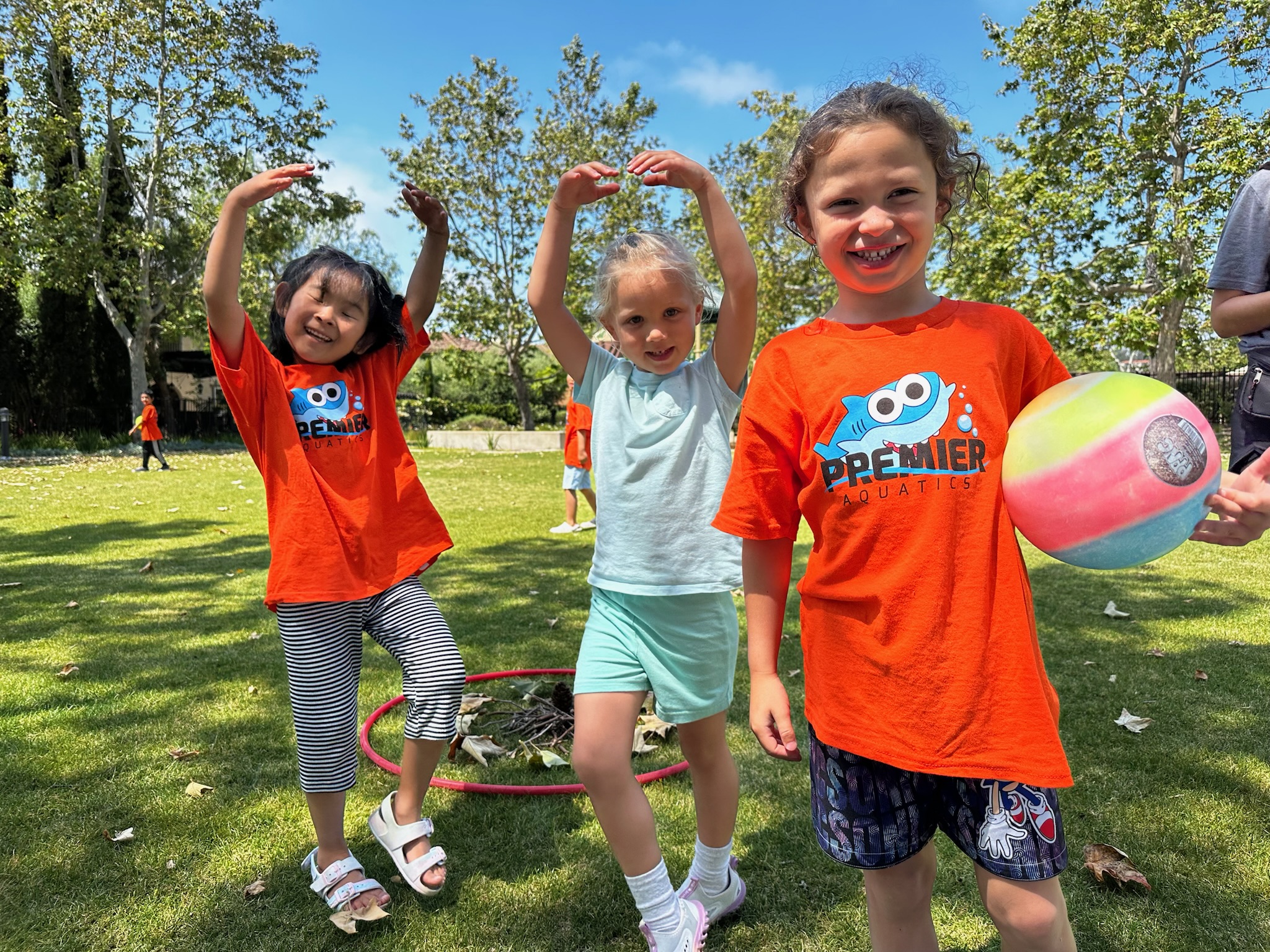
As kids grow, they naturally thrive on connection and play. For children too young to join team sports, swim lessons provide the perfect social environment to meet peers their age and develop friendships.
Learning to swim alongside others not only makes lessons more enjoyable but also strengthens important social skills, such as cooperation, patience, and encouragement. These early friendships often translate into greater confidence in making friends later in school and beyond.
The first day of school is a big milestone — and swim lessons can help prepare your child for it in surprising ways.
According to a study by Griffith University in Australia, children who participate in swim lessons from an early age demonstrate stronger cognitive and motor skills than their peers. They also tend to listen and follow directions more effectively, maintain focus for longer periods, and adapt more easily to classroom routines.
This is because swim lessons are structured similarly to school settings; with instructors, group activities, and skill-based learning; helping children become familiar with the concept of focus and discipline in a fun, engaging environment.
In today’s technology-driven world, getting kids active is more important than ever. Swimming is not only great exercise, but it’s also fun, making it easier to instill a lifelong love for physical activity.
By introducing swimming early, children learn that being active can be enjoyable, not a chore. This mindset encourages a healthy, balanced lifestyle as they grow — one that includes outdoor play, fitness, and overall well-being.
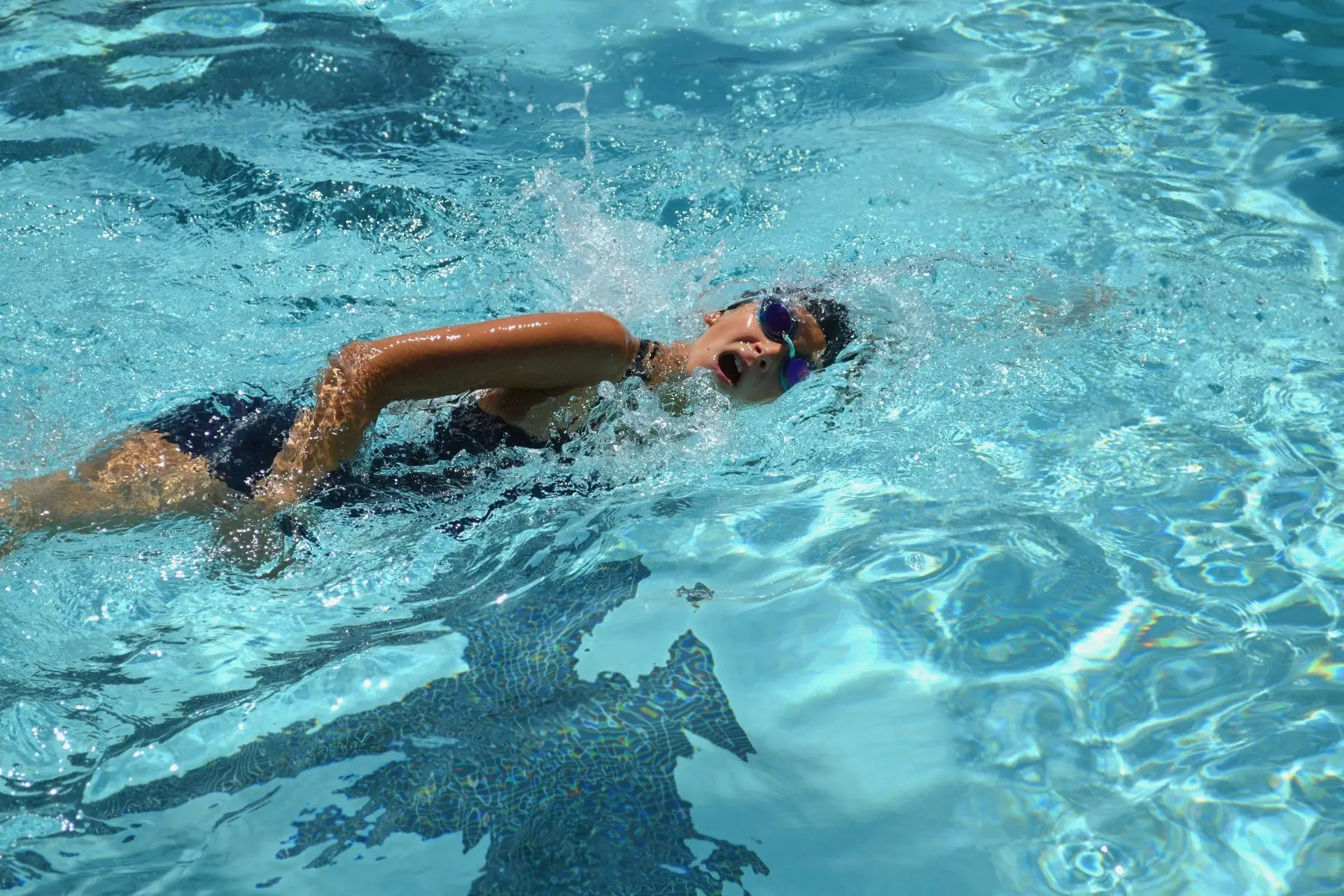
Swimming engages the entire body, which helps strengthen muscles and improve coordination. Young swimmers quickly develop better balance, posture, and body awareness.
The repetitive movements of swimming like kicking, paddling, and turning also enhance fine and gross motor skills, which are essential for other activities such as writing, running, or sports.